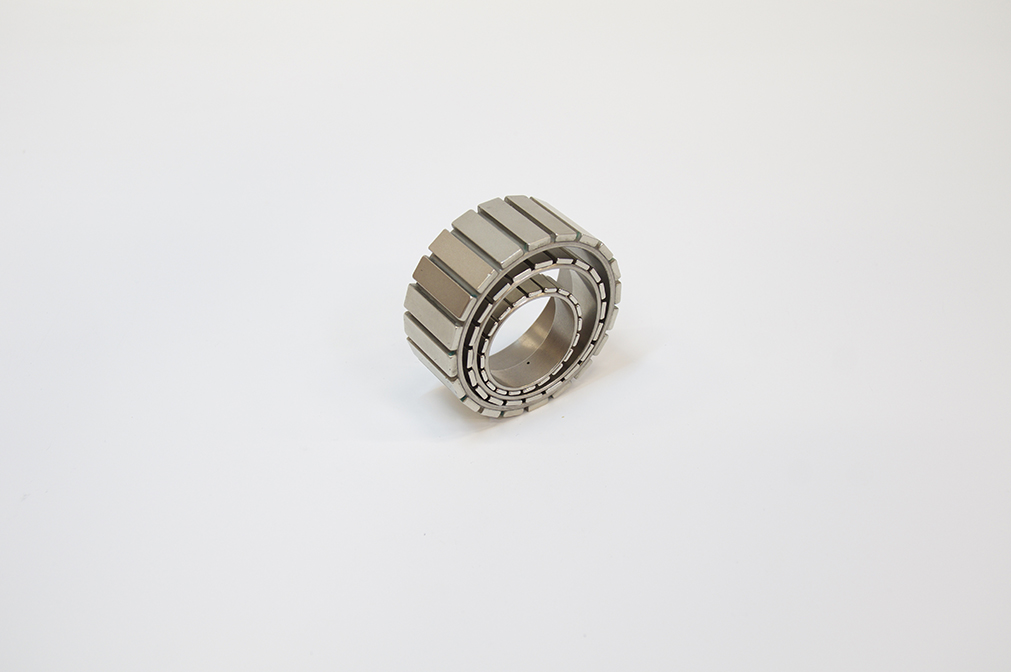
Permanent magnet rotors

Permanent magnet rotor assemblies & engineering

A permanent magnet rotor is a critical component in modern electric motors, directly influencing efficiency, torque, and overall performance. Whether used in compact drives or high-power systems, the magnet design and its integration into the rotor assembly determines how effectively magnetic energy is converted into motion.

Questions about rotor magnet design, material selection or assembly? Looking for a reliable permanent magnet rotor solution? Our engineers are ready to help.

What is a permanent magnet rotor?

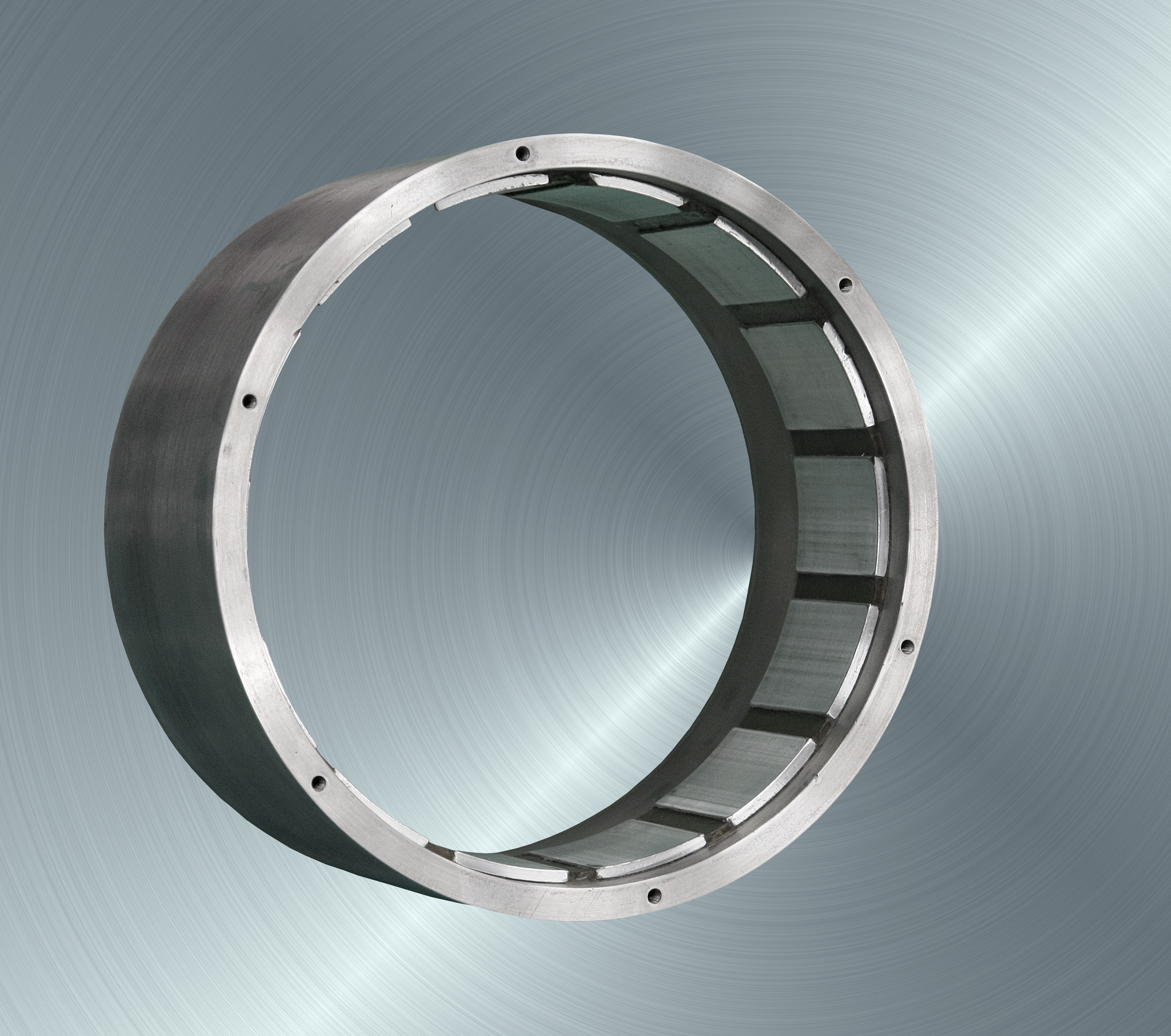
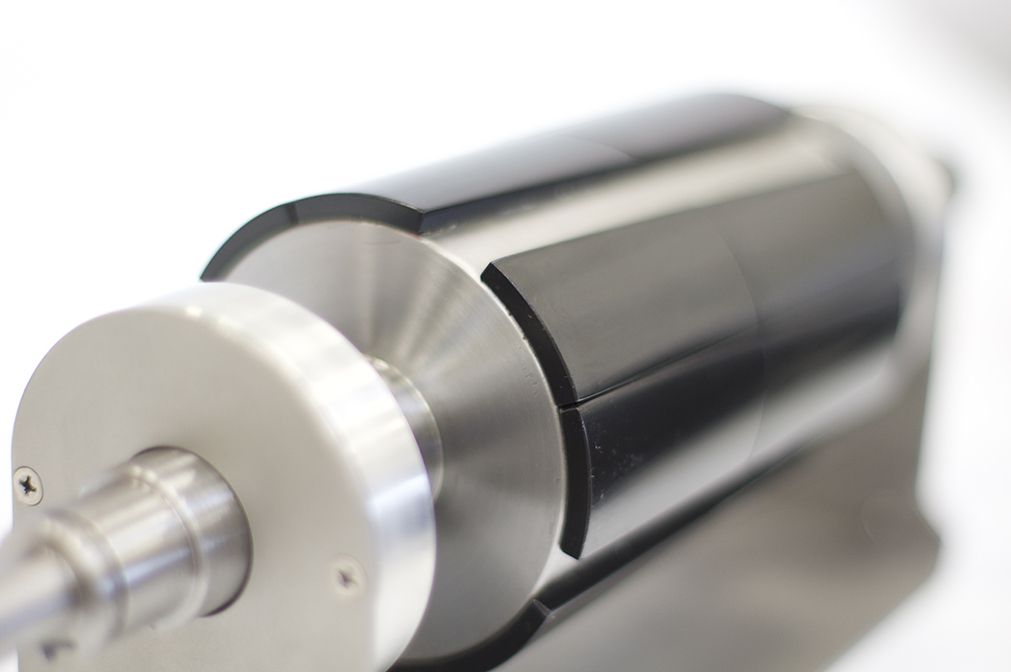
A permanent magnet rotor uses embedded or surface-mounted magnets to generate a constant magnetic field inside an electric motor. This field interacts with the stator to produce torque and rotation.

Compared to traditional induction motor solutions, permanent magnet rotors can offer: 

✓ Higher efficiency
✓ Increased power density
✓ Compact design possibilities
✓ Reduced energy losses

The performance of the magnet rotor depends on the type of magnet used, the magnetisation pattern, and the mechanical integration within the rotor structure. Our engineers support you in optimising these parameters to ensure the rotor performs reliably under real operating conditions.

permanent magnet rotor​s

Motor types using permanent magnet rotors

Permanent magnet rotors are widely used in different motor technologies, each with specific requirements for the magnetic design, material selection and assembly.

Permanent magnet DC motor (PMDC)
Permanent magnet DC motors are simple and robust motors in which permanent magnets mounted on the stator provide a constant magnetic field. The rotor design is relatively straightforward, but consistent magnetic field strength is essential for stable performance. Cost-efficiency and reliable magnet fixation on the stator are key considerations, especially in high-volume applications.

Brushless DC motor (BLDC)
Brushless DC motors (BLDC) are highly efficient motors that rely on precisely designed rotor magnet patterns for smooth electronic commutation. The number of poles, magnet segmentation and magnetisation accuracy directly affect torque ripple, noise and efficiency. Tight tolerances and consistent magnet quality are critical for optimal performance.

Permanent magnet synchronous motor (PMSM)
Permanent magnet synchronous motors (PMSM) are used in high-performance applications where efficiency and torque density are critical. Rotor designs often use embedded magnets (interior PMSM) or surface-mounted configurations. Key challenges include preventing demagnetisation at high loads, managing thermal effects and optimising flux distribution for maximum efficiency.

Permanent magnet stepper motor (PM stepper)
Permanent magnet stepper motors (PM stepper) are designed for precise positioning, where the rotor magnet configuration determines step accuracy and holding torque. The magnetic field must be highly predictable and repeatable, requiring consistent magnetisation and precise alignment within the rotor assembly.

Servo motors
Servo motors use permanent magnet rotors to deliver highly accurate motion control, positioning and speed regulation. These motors are widely applied in robotics, automation systems, CNC machinery and precision equipment where dynamic response and repeatable performance are essential. Rotor magnet assemblies for servo motors require carefully controlled magnetisation, tight tolerances and optimised magnetic field distribution to ensure smooth operation, low torque ripple and precise feedback control.

Permanent magnet axial flux motors (PMAF)
Permanent magnet axial flux motors (PMAF) use a rotor design in which the magnetic flux runs parallel to the motor shaft, enabling very compact motors with high torque density and excellent efficiency. Applications such as Axial Flux PMSM motors in e-bikes, electric vehicles and high-performance EVs, as well as Axial Flux BLDC motors in fans and compact electric drives, place high demands on rotor magnet assemblies. Accurate magnet positioning, reliable fixation, thermal stability and consistent magnetisation are essential to achieve optimal performance. 

Each motor type requires a specific balance between magnetic strength, geometry, tolerances and thermal stability.

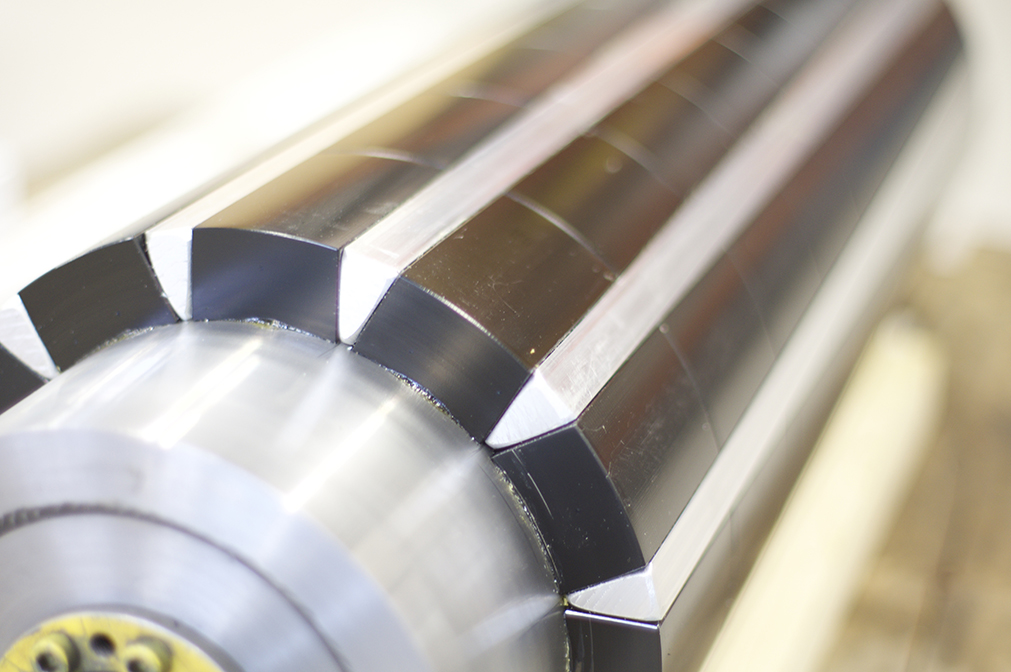
Magnet materials for rotor applications

The choice of material for a rotor magnet depends on the required performance, operating conditions, available installation space and cost targets. Different magnet materials offer specific advantages in terms of magnetic strength, temperature resistance and long-term stability.

Neodymium (NdFeB)
Neodymium magnets offer the highest magnetic energy density of all commercially available permanent magnet materials. This makes them ideal for compact, high-performance permanent magnet rotors where maximum torque and efficiency are required within limited space. NdFeB magnets are commonly used in BLDC motors, PMSM motors and other high-power-density applications. Selection of coating is important.

Samarium Cobalt (SmCo)
SmCo magnets combine strong magnetic performance with excellent temperature resistance and corrosion stability. They are particularly suitable for demanding environments where the rotor is exposed to high operating temperatures or aggressive conditions. SmCo is often used in aerospace, defence and high-reliability industrial applications.

Ferrite magnets
Ferrite magnets provide a cost-effective solution for rotor applications where larger magnet volumes are acceptable and extreme magnetic strength is not required. They offer excellent corrosion resistance and stable performance, making them suitable for many industrial motors and cost-sensitive applications.

AlNiCo magnets
AlNiCo magnets are known for their excellent temperature stability and reliable magnetic performance at elevated temperatures. Although their magnetic strength is lower compared to NdFeB, they maintain their properties well under high-temperature and fluctuating thermal conditions. However, due to their relatively low coercivity, AlNiCo magnets are sensitive to demagnetisation and therefore require careful magnetic circuit design. They are often used in specialised motor designs and sensing applications where thermal stability is critical.

Selecting the optimal material is essential to achieving the right balance between torque, efficiency, thermal stability and production cost. Bakker Magnetics supports customers in selecting the most suitable magnet material and grade for their specific rotor application, helping to optimize both performance and manufacturability. Permanent magnets overview >

Rotor magnet assemblies and configurations

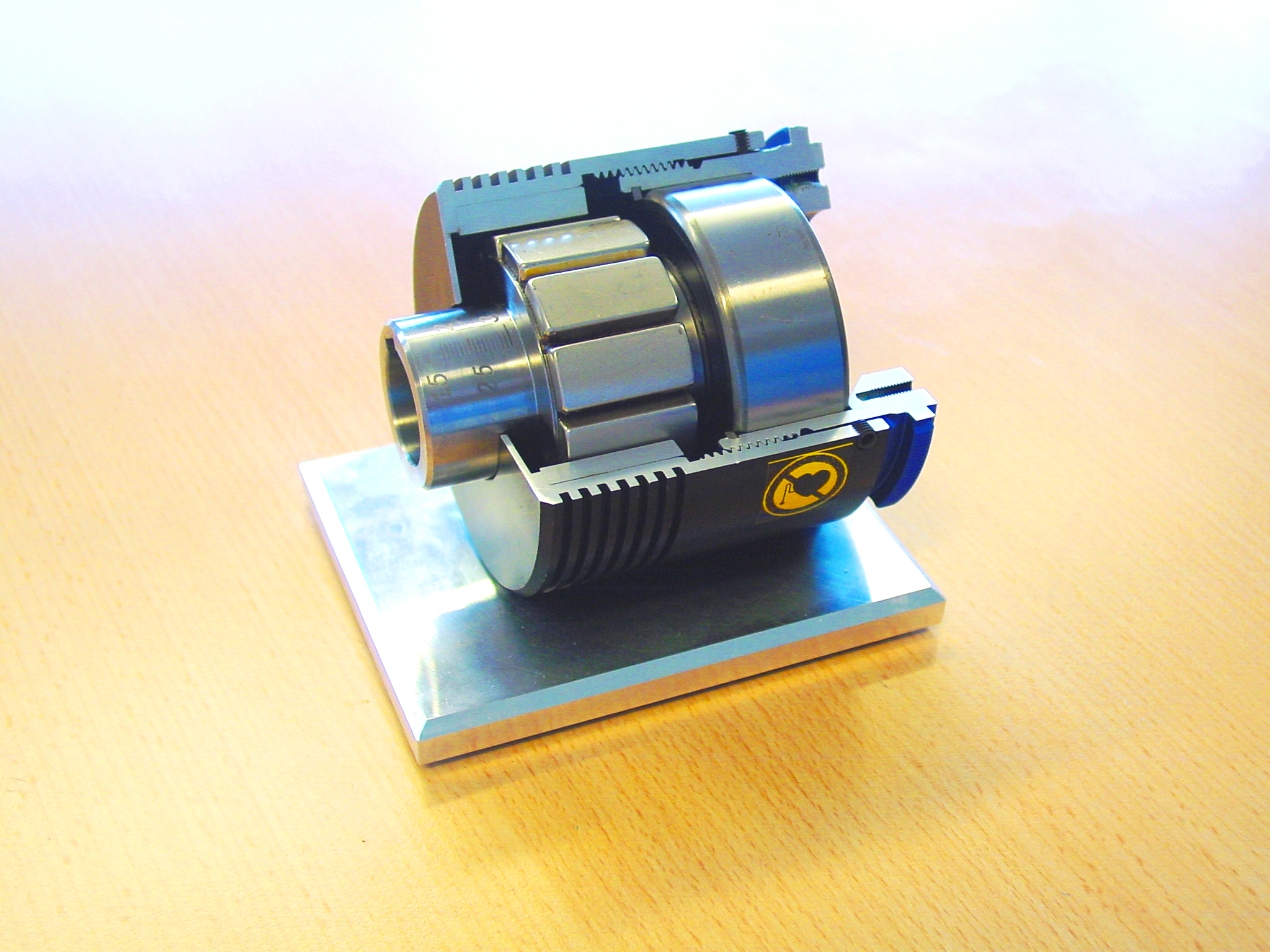
A rotor magnet assembly is a carefully engineered combination of magnets, carrier materials and fixation methods that together determine the performance of the motor. The position, orientation and magnetisation of the magnets directly influence torque, efficiency, smooth rotation and thermal behaviour.

Different rotor configurations are used depending on the motor type and application requirements:

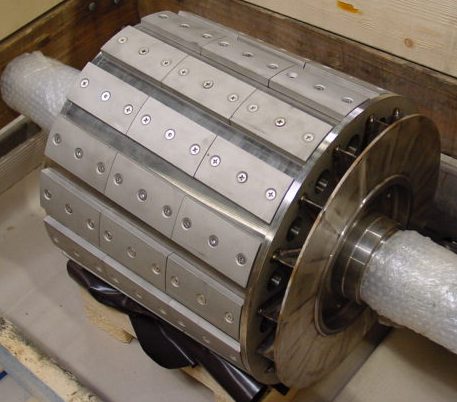
  • Surface-mounted magnets (SPM). Magnets are mounted on the outside of the rotor, enabling high magnetic efficiency and relatively simple assembly. Commonly used in BLDC and PMSM motors.
  • Interior Permanent Magnet Motor (IPM). Magnets are integrated inside the rotor structure, providing better mechanical strength and protection at high rotational speeds.
  • Segmented magnet designs. Multiple magnet segments are combined to create specific magnetic field distributions and reduce assembly stress or eddy current losses.
  • 2 phases magnet rotor configurations. Rotor designs specifically developed for 2-phase motors and stepper systems, where accurate pole positioning and magnetic balance are critical for precise movement and stable operation.

In addition to magnetic performance, the mechanical integrity of the rotor assembly is equally important. Magnet bonding, fixation methods, balancing and protection against centrifugal forces must all be carefully considered, particularly in high-speed or high-power applications. Bakker Magnetics supports customers in developing rotor magnet assemblies that combine reliable performance with efficient manufacturability.

Active magnetic bearing rotor magnets

In advanced applications such as high-speed machinery, active magnetic bearing rotor magnets are used to stabilize and control the rotor without physical contact. These systems operate under highly dynamic conditions, where even small deviations in magnetic performance can affect stability, precision and operational reliability.

As a result, active magnetic bearing systems place extremely high demands on the rotor magnet design. Precisely defined magnetic properties, high material stability, and tight tolerances are essential to ensure predictable and reproducible performance throughout the lifetime of the system.

Material selection plays a critical role in these applications. The right active magnetic bearing rotor material must combine stable magnetic behaviour with sufficient mechanical strength to withstand high rotational speeds and continuous operational loads. Depending on the design approach, different manufacturing routes can be used, including laminated, bonded sintered material, which offer high structural integrity combined with consistent magnetic performance.

In all cases, the goal is to achieve a rotor system that remains stable, efficient and reliable under extreme operating conditions.

Magnetic design, simulation and optimization

Designing an efficient permanent magnet rotor requires more than selecting the right magnet material. The interaction between the rotor magnetic field, stator geometry, air gaps and operating conditions has a direct impact on motor efficiency, torque behaviour and thermal stability.

At Bakker Magnetics, we use advanced FEM simulations to analyse and optimise magnet assemblies before physical prototypes are produced. This allows us to evaluate:

✓ Flux density and magnetic field distribution
✓ Torque generation and motor efficiency
✓ Thermal behaviour and demagnetisation risks
✓ Effects of tolerances, air gaps and assembly variations
✓ Magnet fixation and mechanical stability at high rotational speeds

By validating the magnetic design digitally, potential issues can be identified early in the development process. This reduces the number of physical iterations, shortens time to market, reduces costs and helps ensure that the final rotor meets performance targets from the start.

Our engineers support customers in optimising magnet material selection, rotor geometry and assembly configuration to achieve the right balance between performance, reliability and manufacturability.

From concept to series production

A successful rotor design requires alignment between magnetic performance and manufacturability. Bakker Magnetics supports the full development process:

→ Concept development and feasibility studies
→ Material selection and magnetic design
→ Prototyping and testing
→ Series production and logistics

Our combined expertise in engineering and manufacturing ensures consistent quality and reliable delivery, even for complex rotor magnet assemblies.

Discuss your rotor application

Developing a high-performance permanent magnet rotor requires more than selecting the right magnet. It requires a partner who understands the complete system. Bakker Magnetics works closely with customers to:

  • Optimise rotor performance and efficiency
  • Select the right magnet material and grade
  • Improve manufacturability and reduce cost
  • Ensure reliable performance in real-world conditions

With decades of experience in magnetic engineering, we help turn your motor concept into a robust, scalable solution. Our specialists can support you with rotor magnet assembly, material selection, magnetic design, and production.

Bakker Magnetics. Delivering magnetic expertise.